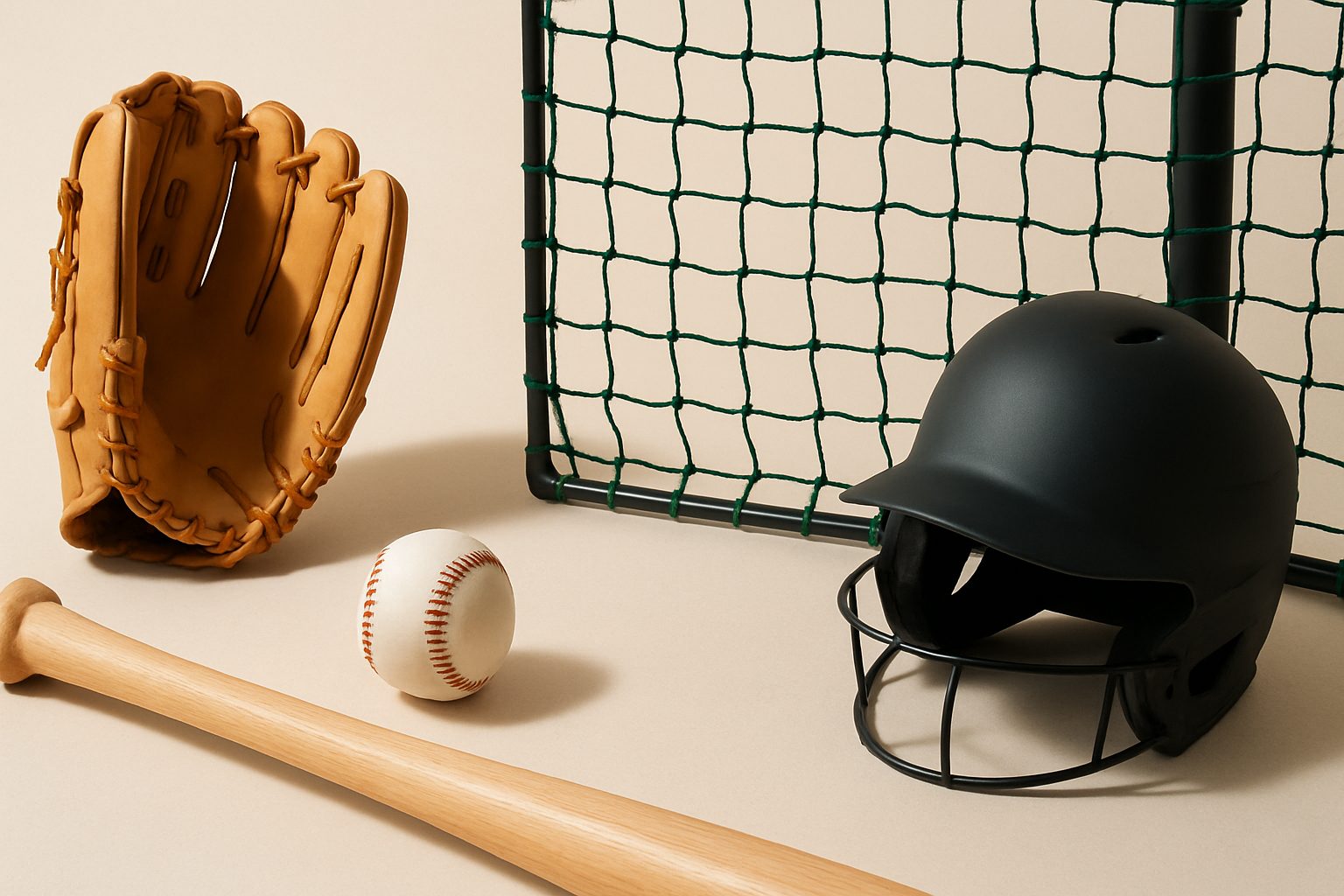
Best Budget Batting Nets for Cricket & Baseball UK 2025: Under £200 Picks
Batting nets under £200 fill a real gap in the UK market. They're genuinely useful for backyard practice, coaching sessions with small groups, and getting kids interested in cricket or baseball without a five-figure outlay. But you need to know what corners get cut at this price, how long they'll actually last, and whether you're buying a season's solution or something that works for years.
What Budget Nets Actually Give You
At under £200, you're typically getting pop-up frames (most common) or lightweight portable cages rather than heavy-duty permanent installations. The netting is usually knotless synthetic polyester or nylon—decent for catching practice balls, but thinner than club-grade gear. Frame materials vary: some use PVC tubes, others steel or fibreglass, and the cheaper end sometimes cuts corners with flimsy aluminium that bends under sustained use.
Expect dimensions around 2.4m × 2.4m to 3m × 3m for pop-ups, and 2m × 2m to 2.5m × 3m for smaller portable cages. These aren't spacious, but they're functional for solo practice, coaching a pair of batters in rotation, or beginner-level drills. The trade-off is obvious: less room means stiffer nets, tighter angles on practice swings, and you'll hit the sides regularly if you're working on full-length shots.
Key Durability Issues at This Price
The weak points in budget nets show up quickly:
- Netting tears or punctures within a season if you're using cricket balls regularly, especially harder tournament-grade ones. Baseball softballs wear slightly better. Repair tape exists but becomes a headache.
- Frame joints fail on cheaper models—PVC connections loosen, welded seams on steel cages crack, and fibreglass poles develop hairline fractures after winter weather.
- Ground anchors rarely hold in wind. Most budget nets ship with flimsy pegs or clips; you'll want to invest in guy ropes or weighted sandbags separately (£20–40 extra).
- Rust develops on uncoated steel within 6–12 months of outdoor storage, especially in damp UK conditions.
These nets work for a single season of light to moderate use; beyond that, repair costs and replacement parts eat into the savings.
What You're Choosing Between
Pop-up cube nets (most popular under £200) are portable, fast to erect, and take up minimal storage space folded down. You get a net on five sides (open at one end) or sometimes fully enclosed depending on the model. Setup takes 10–15 minutes solo. Downside: very light in wind, side netting is close to the batter, and the simple frame means less structural rigidity.
Portable batting cages (usually rectangular, steel or aluminium frame) cost slightly more but offer better stability and longer netting distances (useful if you're a faster batter or working with older kids). Assembly is messier—more bolts, more time—but they weather better and last slightly longer. Wind performance is better, though they're still not bomber-proof.
Cargo-net alternatives (literally garden netting stretched over a PVC frame you assemble yourself) cost £60–100 to build and technically work, but the DIY approach means you're solving every problem from scratch, and the result is fiddly.
Entry-Level vs Mid-Range: When to Upgrade
Spend under £150, and you're essentially buying a trial season. It's worth it if you're testing whether your kid actually wants to practise regularly, or you're a coach running occasional sessions. You'll get genuine value, but expecting durability beyond one year is optimistic.
Step to £250–400 (just outside this guide's scope) and you enter a sweet spot: better frame materials, thicker netting that handles impact better, proper ground anchors, and two-year lifespan potential. If budget nets feel borderline, genuinely consider stretching here. The extra £100–200 halves your replacement frequency.
Permanent wooden or heavy-duty steel frame nets (£500+) are overkill unless you're a club or you've already confirmed regular use.
Making a Budget Net Last
A few practical moves extend lifespan:
- Store indoors over winter. Leaving nets up year-round invites rust, UV degradation, and frame fatigue.
- Inspect frame joints monthly, especially after wind. Tighten bolts and check for cracks before they spread.
- Patch netting immediately with a repair kit. Small tears expand fast; a pound of prevention beats a new net.
- Anchor properly. Pegs alone aren't enough in UK wind. Use guy ropes (£10 for good ones) and angle them away from the net.
Who Should Buy and Who Shouldn't
Budget nets make sense if you're a parent exploring whether cricket or baseball sticks with your child, a coach working on a shoestring budget, or a beginner practising footwork and basic technique. They're fine for soft-ball throwing practice or coaching young kids who aren't hitting hard yet.
Skip them if you're already serious about the sport, hitting hard regularly, or setting up permanent practise space at a property you own long-term. You'll spend more on repairs than you save upfront, and the cramped hitting space frustrates once you know your swing.
The Honest Summary
Budget batting nets under £200 deliver genuine practice value for one season, maybe two with care. They're not toys, and they're not club-quality equipment—they're pragmatic entry points. Know you're buying a replacement cycle, not a long-term investment, and your experience will align with that reality.
More options
- Portable Batting Cage Frames (Amazon UK)
- Cricket Practice Batting Nets (Amazon UK)
- Heavy-Duty Replacement Batting Cage Nets (Amazon UK)
- Batting Tees (Amazon UK)
- Pitching & Bowling Machines (Amazon UK)