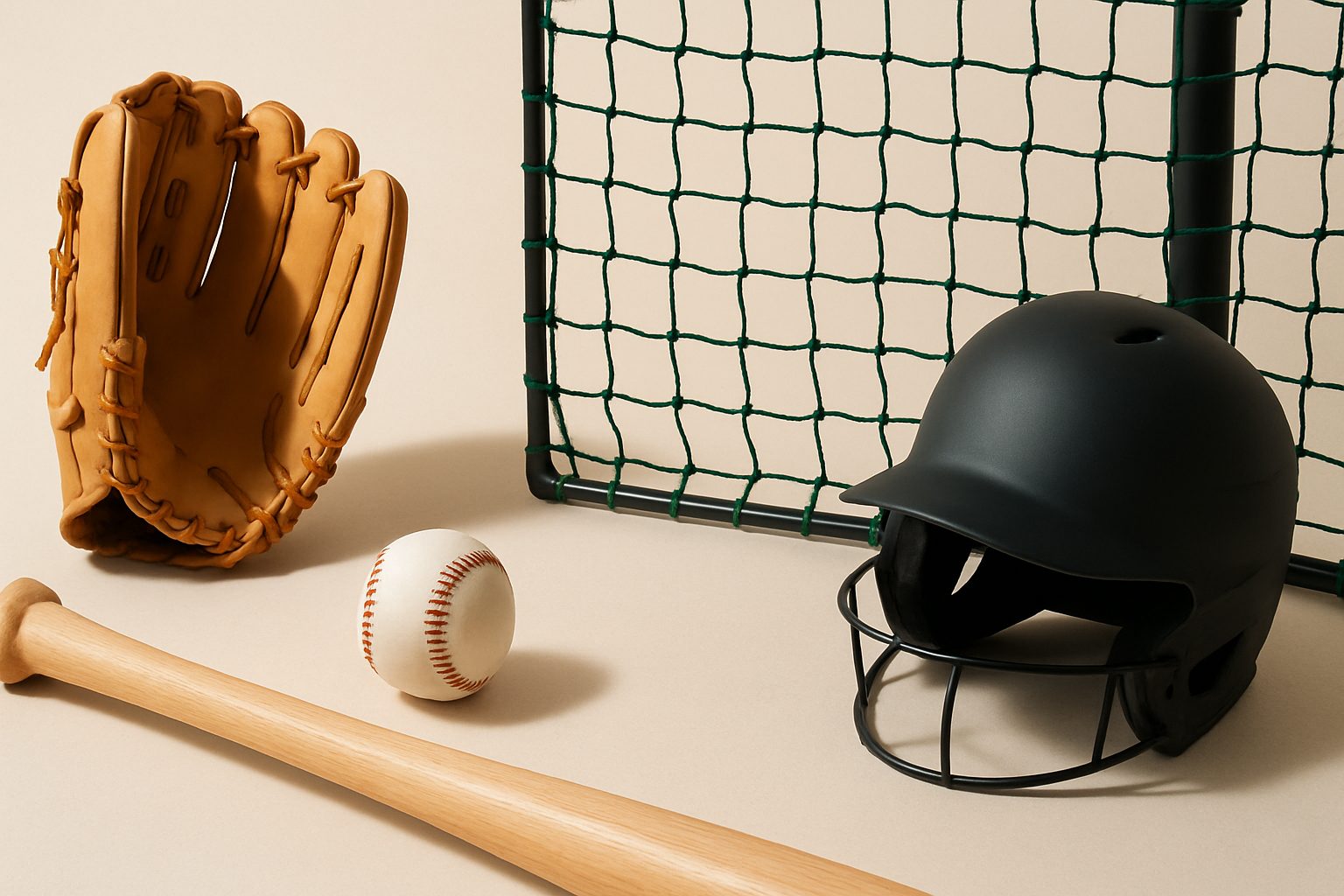
Best Heavy-Duty Batting Cage Nets for Backyard Use UK 2025
If you're installing a permanent batting cage in your garden, the net is your biggest investment. A cheap net shreds within a season or two, especially under British weather and the impact of cricket balls bowled at pace. Heavy-duty nets designed for commercial use offer proper durability, but they're not all equal—and installation in a UK garden comes with its own challenges.
This guide covers what actually matters when choosing a net for backyard cricket: denier rating, knot construction, weather resistance, and whether it can handle fast bowling without deterioration.
Why Net Quality Matters for Backyard Cages
A batting cage net fails in two ways: structural failure (holes, tears, fraying) and material degradation (UV breakdown, moisture damage, rot). Both happen faster than you'd expect if you buy to a price rather than a specification.
Heavy balls at pace—a leather cricket ball from a 70+ mph delivery—create serious impact loads. A net rated for baseball (180–210 denier) won't survive this for long. UK garden nets also face relentless moisture: rain, condensation, and ground spray accelerate fibre breakdown unless the material is properly treated.
Commercial-grade batting cage nets in the UK start around 500 denier knotted polyethylene or HDPE. That's the realistic floor for something lasting 5+ years in a garden.
Denier Rating: What the Numbers Mean
Denier measures fibre thickness. The figure refers to the weight of a single strand—higher denier means thicker, stronger individual strands.
500–700 denier: Entry-level heavy-duty. Withstands fast bowling and typical garden wear. Most people installing a permanent cage in the UK go here. Still vulnerable to abrasion and extended UV exposure without protective measures (shade, covers, or location).
1000+ denier: Commercial softball and baseball cages. Heavier than you need for cricket—overkill unless you're running intensive coaching sessions and replacing nets every 2–3 years is a cost you've factored in. The extra weight also makes installation harder alone.
Knotted vs. knotless: Knotted nets (traditional, with visible knots at each intersection) are cheaper and handle cricket impact better—the knots absorb and distribute force. Knotless nets feel smoother and are easier to climb (relevant if you have young players), but they're less forgiving under repeated hard-ball impact and fray faster.
Materials and Weather Treatment
All heavy-duty nets are polyethylene or HDPE, but treatment varies:
UV stabilisation: Non-negotiable in the UK. Look for nets treated with UV inhibitors (often carbon-black additives). An untreated net can lose structural integrity in 18–24 months of outdoor exposure.
Rot resistance: Knotted polyethylene should be moisture-resistant by default—it doesn't absorb water the way natural fibres do—but poor-quality nets use additives that wash out over time. Nets specifically treated for wet climates (common in Australian and South African suppliers) are worth seeking out.
Coating: Some commercial nets have a weatherproof coating or double-knot construction for extra longevity. These cost more upfront but often add 3+ years of life.
What Buyers Report After 2–3 Years
Real experience matters more than marketing. UK cricket batting cage owners who've kept notes on their nets report:
- Abrasion damage around poles: The net contacts the frame constantly when balls impact nearby. A cage without protective sleeves or padding accelerates this wear.
- Edge fraying: Nets cut to size (rather than factory-finished edges) deteriorate fastest here. Well-finished edges with binding or heat-sealing last significantly longer.
- Weather-facing side: North-facing or consistently wet parts degrade first, even with UV treatment. Positioning and ground drainage make a real difference.
- Impact zones: The area directly behind the bowler's run-up sees the most damage. Some people replace just this section or use a removable inner net.
Heavy-duty 500+ denier nets in UK gardens typically show minimal structural damage (holes, tears) for 3–4 years if ground is well-drained and the net isn't in full sun all day. Beyond that, surface degradation (stiffness, slight fraying) becomes noticeable.
Installation Considerations for UK Gardens
Permanent installation is where UK-specific problems emerge:
Ground preparation: Poorly drained gardens cause moisture to pool against nets, accelerating rot. Installing the cage on a slight slope or laying gravel underneath is time well spent. Concrete pads at the base keep the net clear of grass and soil.
Wind loading: UK gardens see persistent wind, sometimes significant. A net taut enough to absorb ball impact needs proper anchoring or it'll tear when the frame flexes in gusts. Most permanent installations use buried footings (at least 60 cm) or concrete bases.
Frame design: The frame matters as much as the net. Poor-quality welded steel or thin-wall box section flexes too much, translating to net movement and premature wear. Stainless steel or hot-dipped galvanised frames survive better in the UK climate than bare steel.
Professional fitting: If you're not confident in structural work, hiring someone to install the frame properly is worth the cost. A poorly anchored cage—one that moves under impact or is insufficiently taut—will destroy even a good net within 2 years.
Maintenance Extends Net Life Significantly
- Rinse down: Clean debris and algae off the net every 4–6 weeks. This prevents rot-promoting moisture buildup and keeps the material supple.
- Shade cloth cover: In summer, a shade cloth over part of the cage reduces UV exposure without blocking rain drainage.
- Inspect regularly: Small tears grow fast. Check after storms and before intensive use. Repair small damage with UV-resistant netting tape.
- Protect edges: Net edges touching frame or posts degrade first. Foam pipe insulation or purpose-made padding reduces this dramatically.
Final Word
A proper heavy-duty batting cage net for UK backyard use costs £500–£1500 depending on size and material spec. Cheap alternatives—under £300—save money upfront but usually fail within 2–3 years, meaning you're replacing them twice to a decent net's once. Once the frame is built, the net is the only wear part, so the durability pay-off is real.
Choose 500+ denier knotted, UV-treated polyethylene with finished edges. Make sure your frame is properly anchored and that ground drainage won't pool water against it. A well-installed cage with basic maintenance will give you 4–5 years before replacement becomes necessary.
More options
- Portable Batting Cage Frames (Amazon UK)
- Cricket Practice Batting Nets (Amazon UK)
- Heavy-Duty Replacement Batting Cage Nets (Amazon UK)
- Batting Tees (Amazon UK)
- Pitching & Bowling Machines (Amazon UK)