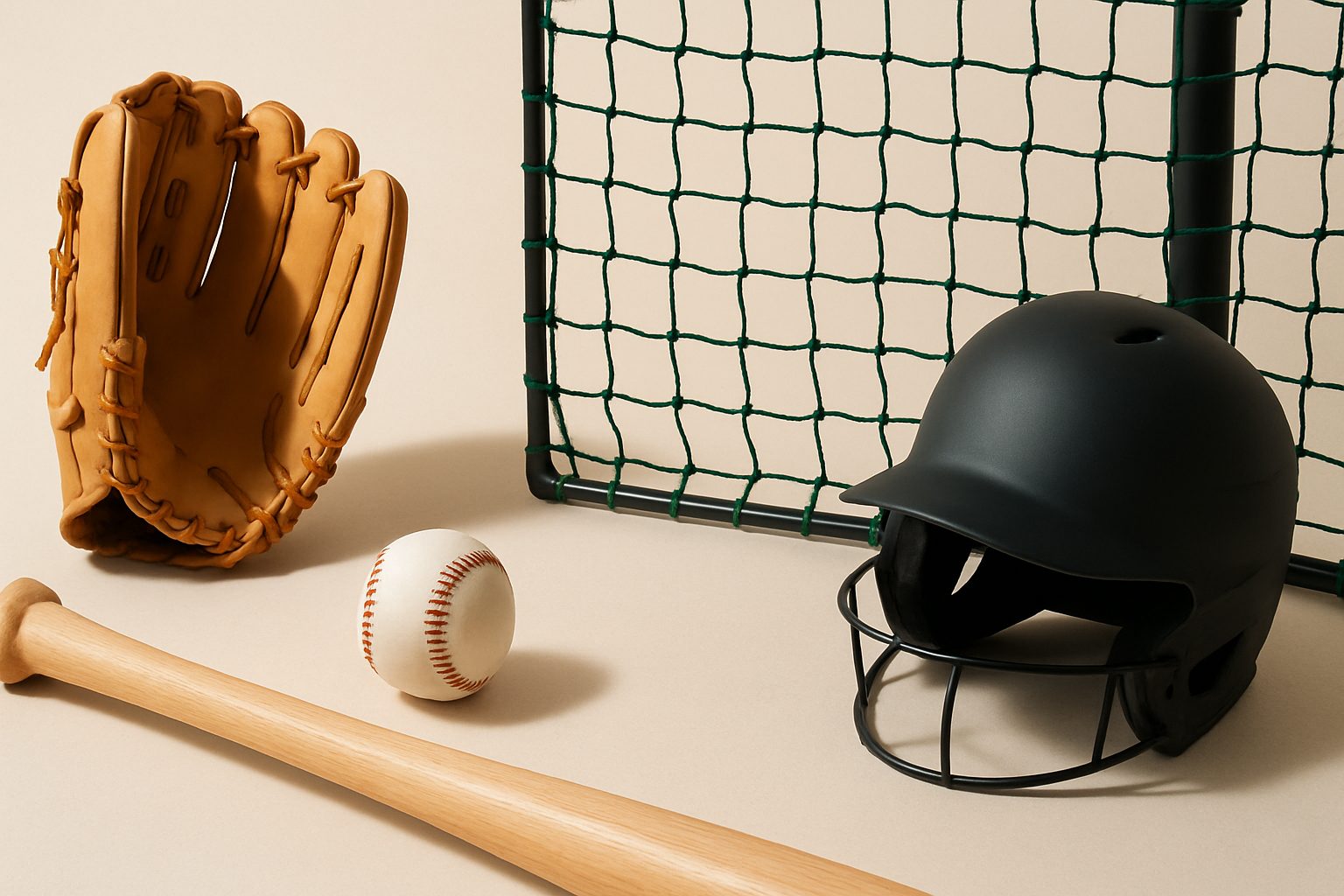
Best Portable Batting Cages for Small Gardens UK 2025
If your garden is on the compact side—as most UK terraced-house plots are—a full-sized cricket or baseball cage might seem out of reach. But portable batting cages have come a long way. The best ones now fold down to manageable storage, set up in under 20 minutes, and deliver genuine ball-stopping performance in tight spaces. Here's what works in practice.
Why a Portable Cage Makes Sense for Small Gardens
The traditional batting cage was a permanent steel frame bolted to concrete. That's not an option when you've got a 30-by-20-foot garden and a shed already competing for space. Portable cages solve this by using lightweight aluminium or steel tubing, heavy-duty net fabric, and a flat-pack design. You get real practice conditions without losing the space you actually use day-to-day.
The trade-off is modest. You're not getting unlimited depth—most compact cages max out at 18–22 feet—but for coaching younger players or solo batting practice, that's more than enough. Setting up takes a dedicated afternoon the first time; after that, it's a 15–20-minute job.
What to Look for in a Compact Model
Frame material and stability. Aluminium is lighter and won't rust, but steel (properly coated) is stiffer. Check the gauge thickness; anything under 1.2 mm will flex under hard impact. Sturdier frames come with corner braces and ground stakes—non-negotiable if your garden gets any wind.
Net quality. A weak net turns an errant ball into a ricochet hazard. You want multi-ply netting (at least two layers) in high-impact zones at the sides and back. Cheap cages use single-ply that tears within a season.
Footprint. Measure your space honestly. A 20-by-10-foot cage sounds compact until you realise you need clear space on either side for entry and ball collection. Many gardens work better with an L-shaped placement (corner of the garden) rather than centre.
Storage. Ask the seller how small it packs down. Some fold into a shape you can stand against the shed wall; others need a dedicated corner. Weight matters too—a single person should be able to move it if needed.
Practical Models for UK Gardens
The ProCage 20ft Portable (under £400) This is the workhorse of UK school cricket programs. Twenty feet deep, 12 feet wide, lightweight aluminium frame. Net is two-ply nylon, decent quality. Folds into two bundles roughly the size of a rolled carpet. One weak point: the corner joints are plastic connectors that loosen over time—you'll re-tighten them periodically. Takes about 18 minutes to set up once you've done it twice. Holds up fine for weekly practice use.
The Fortress Pro Fold-Away (£600–£700) Steel frame, more robust. Sixteen feet deep, fourteen feet wide—smaller footprint than the ProCage but heavier (around 80 kg). The aluminium joints are threaded, so they stay put. Heavy-duty net with reinforced side panels. This is the cage you buy if you want something that'll survive 10 years of enthusiastic teenage batters and UK weather. Setup is slower (25 minutes), and you'll probably want two people. Worth it if durability is the priority.
The Compact Training Cage (£250–£350) Smaller models—often 12–15 feet deep—exist and are genuinely useful for very tight spaces. These are usually net-and-frame only, no hitting tee included. Good for solo practice, less ideal for coaching multiple players. Quality varies widely; avoid the £100 Amazon specials, which usually have net tears by month two.
Comparison Table: Setup Times & Key Specs
| Model | Depth | Width | Frame | Net | Setup Time | Storage | Price | |-------|-------|-------|-------|-----|-----------|---------|-------| | ProCage 20ft | 20 ft | 12 ft | Aluminium | 2-ply nylon | 18 min | Two bundles | £400 | | Fortress Pro | 16 ft | 14 ft | Steel | Heavy-duty 2-ply | 25 min | One large bundle | £650 | | Compact Training | 14 ft | 10 ft | Aluminium | Single-ply | 12 min | Standing storage | £300 |
Real Considerations
Weather and maintenance. UK rain doesn't harm a quality net, but standing water in the frame does. Drain after heavy rain and dry the frame if it'll be covered for weeks. Check netting for moss or algae buildup annually; a soft brush and dilute bleach works.
Ball quality. A worn practice ball or a wet leather cricket ball will damage even good netting faster than clean, dry equipment. Store balls properly between sessions.
Installation location. Flat, level ground is essential—even a slight slope causes frame twist over time. Avoid tree branches directly overhead; dropped fruit clogs the net and, in wet weather, adds weight.
When to upgrade from portable. If you're using the cage more than 3–4 times weekly or coaching a team, a semi-permanent structure becomes sensible. But for single-household practice, a portable cage keeps you flexible if you move house or need the garden space back for entertaining.
The Verdict
A portable batting cage works brilliantly for small UK gardens, and the best ones don't feel like a compromise. The ProCage 20ft strikes the balance between durability, ease of storage, and cost. The Fortress Pro is the choice if you want equipment that simply won't fail. Either way, you get serious practice conditions in a space that's not permanently altered. That's the real advantage.
More options
- Portable Batting Cage Frames (Amazon UK)
- Cricket Practice Batting Nets (Amazon UK)
- Heavy-Duty Replacement Batting Cage Nets (Amazon UK)
- Batting Tees (Amazon UK)
- Pitching & Bowling Machines (Amazon UK)